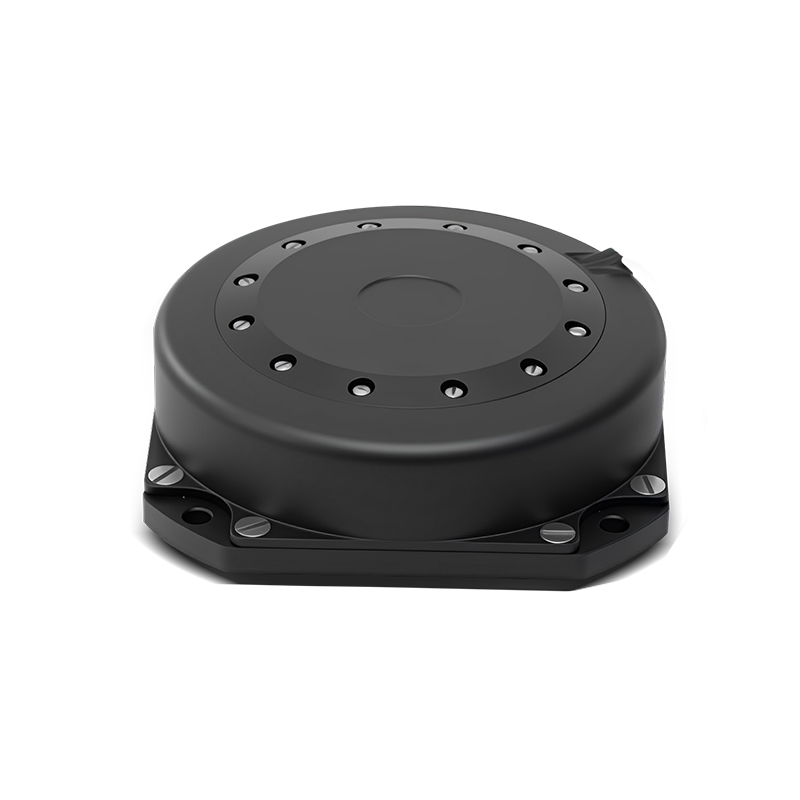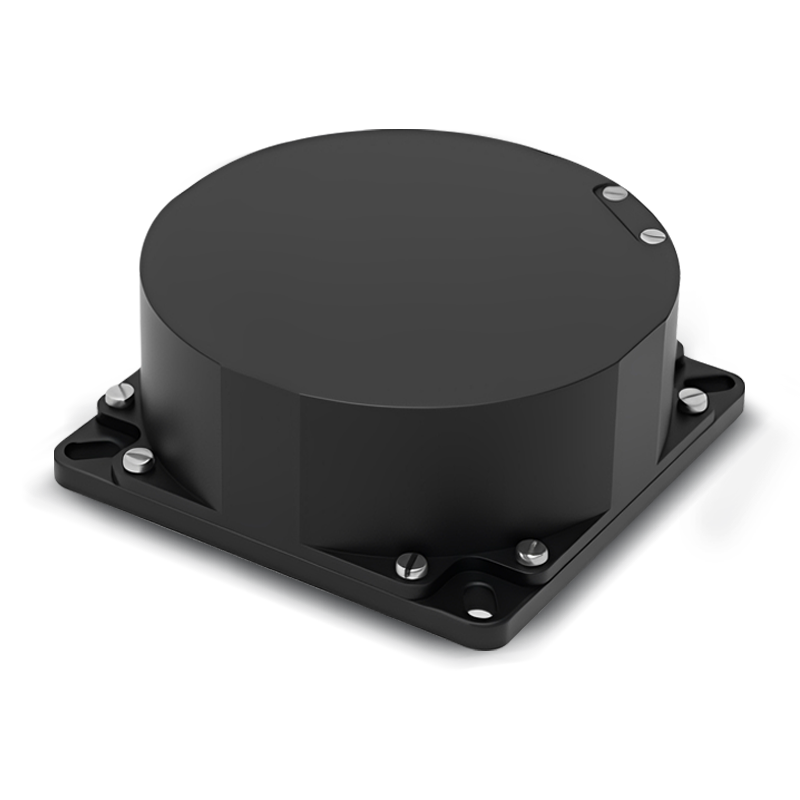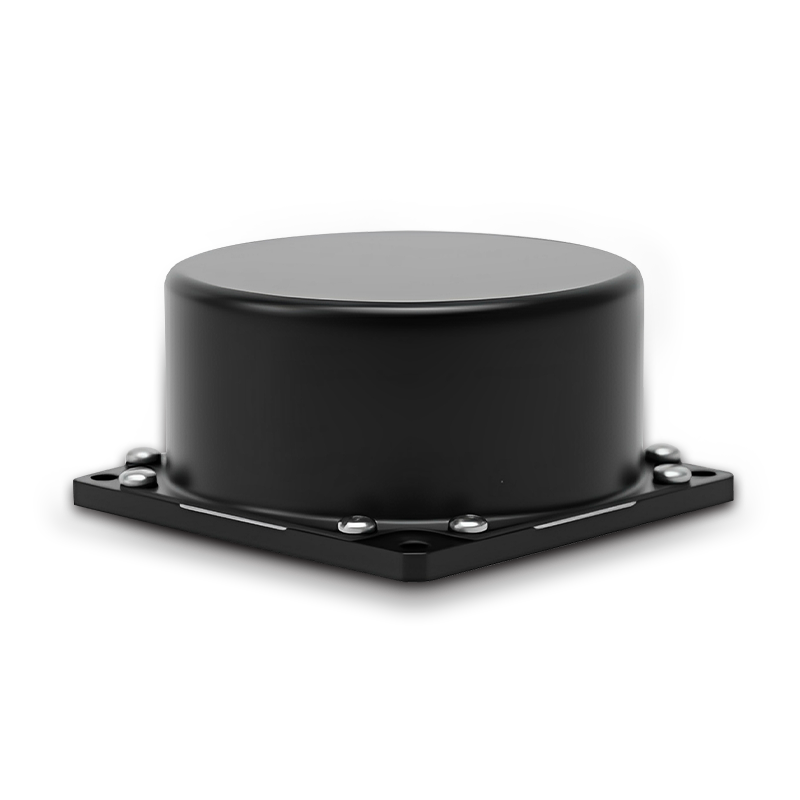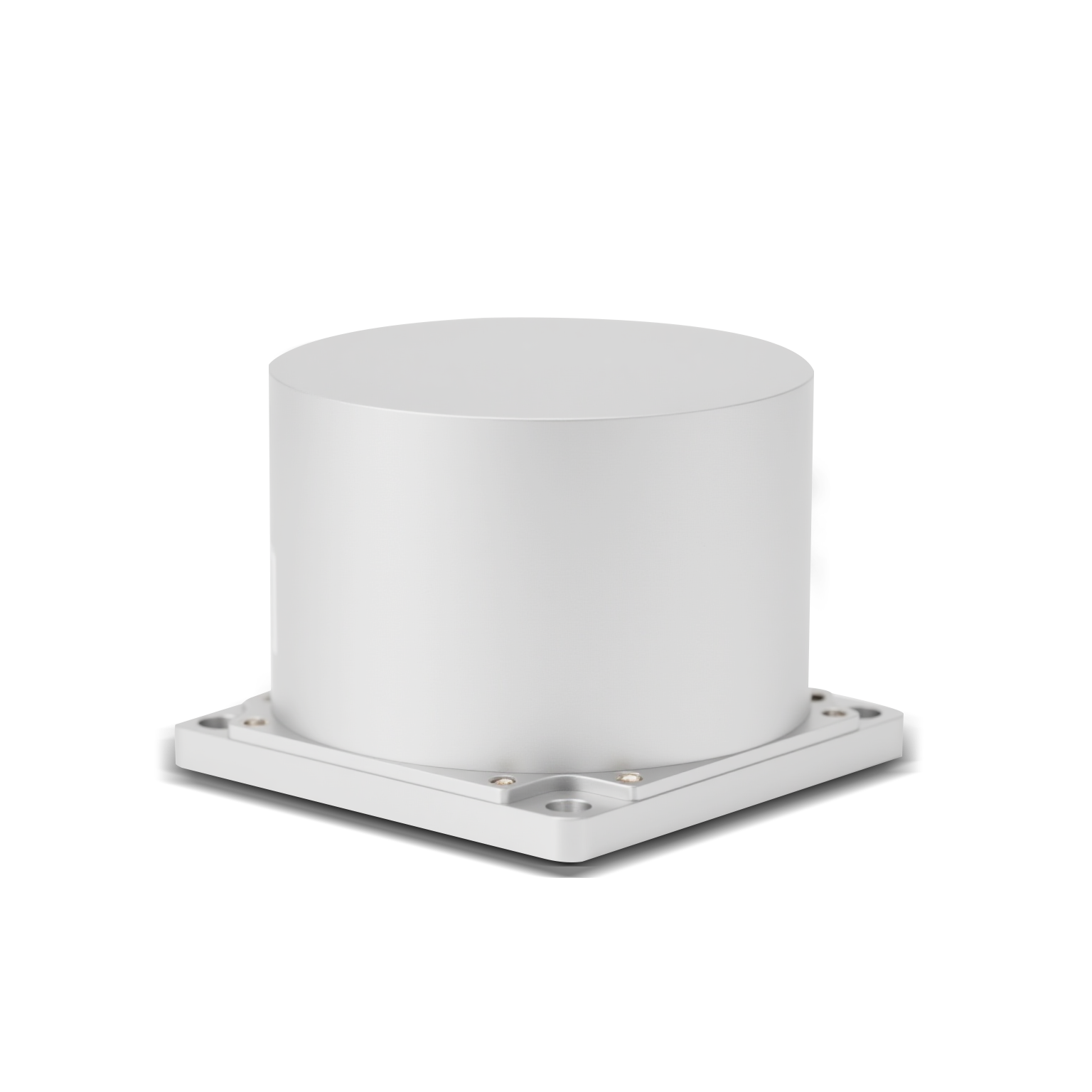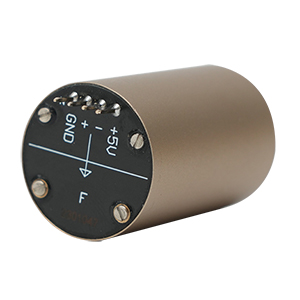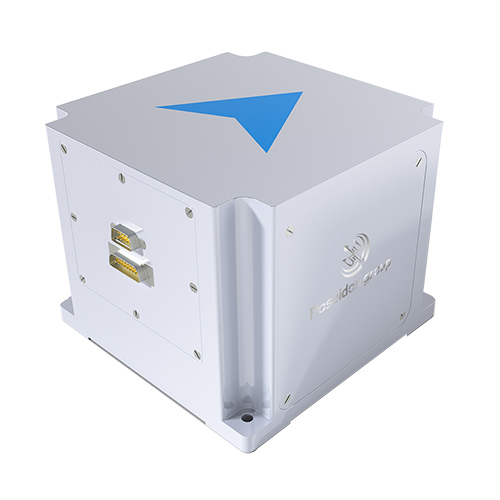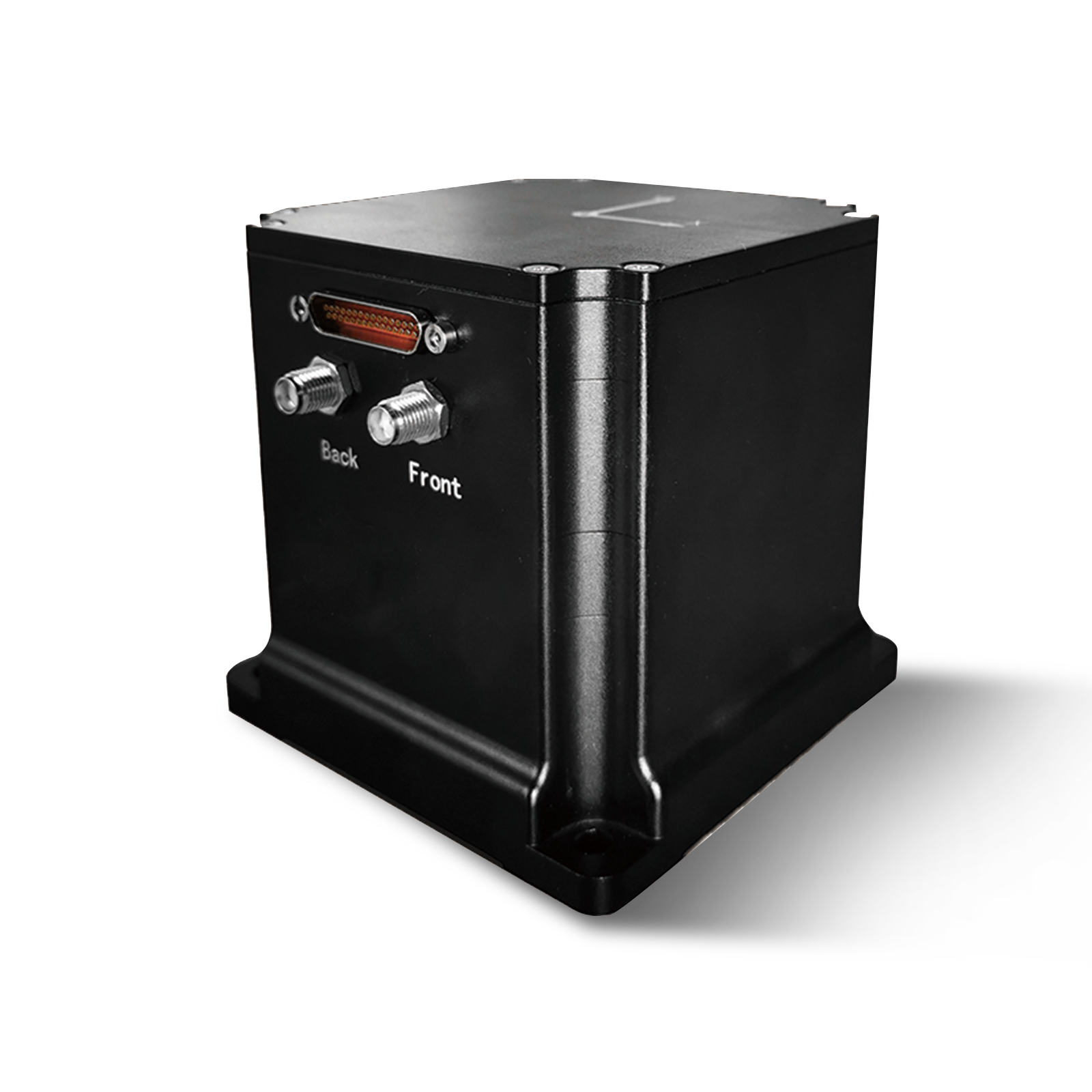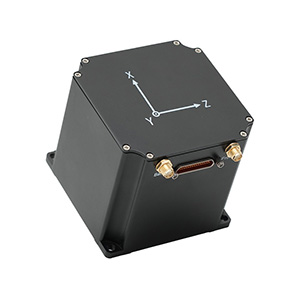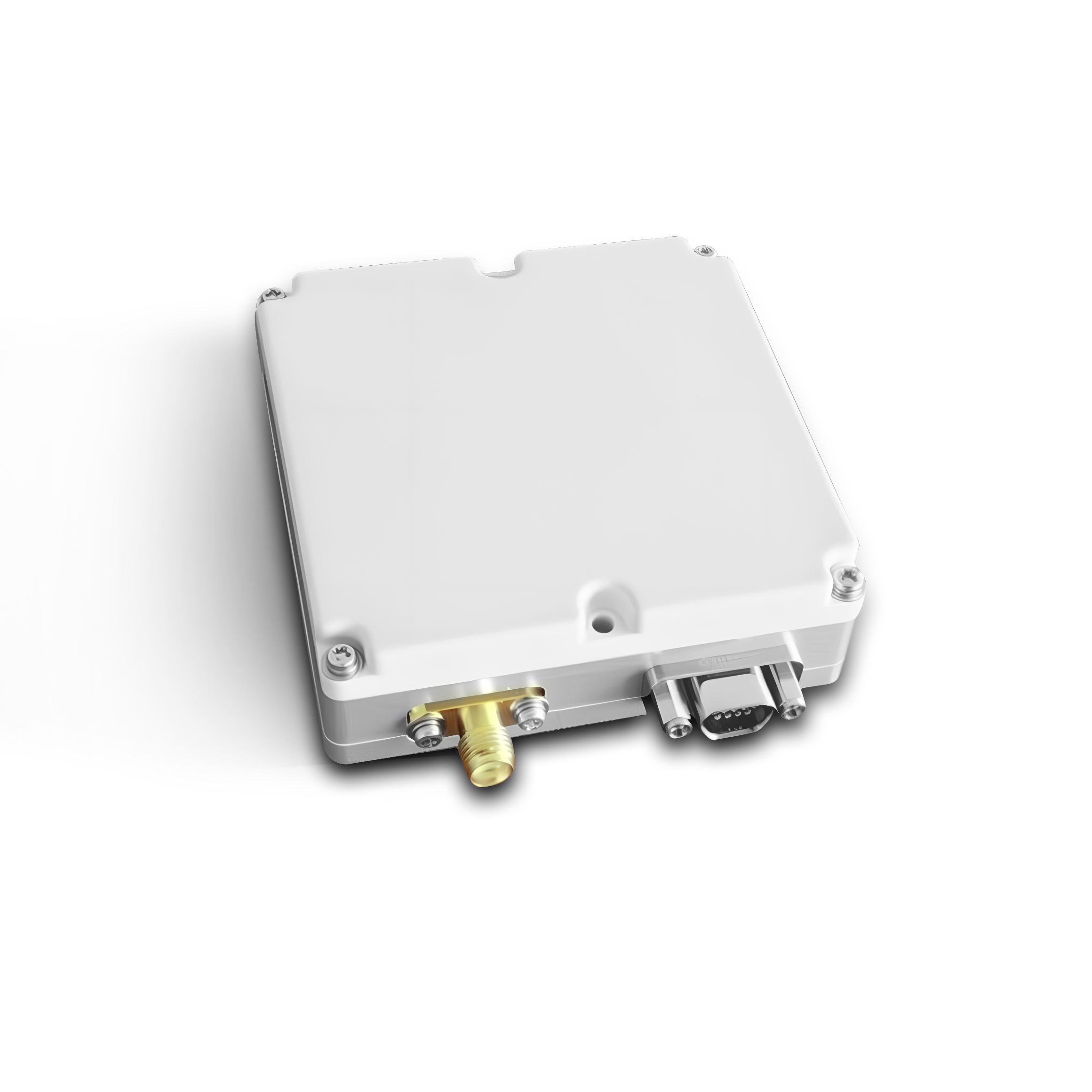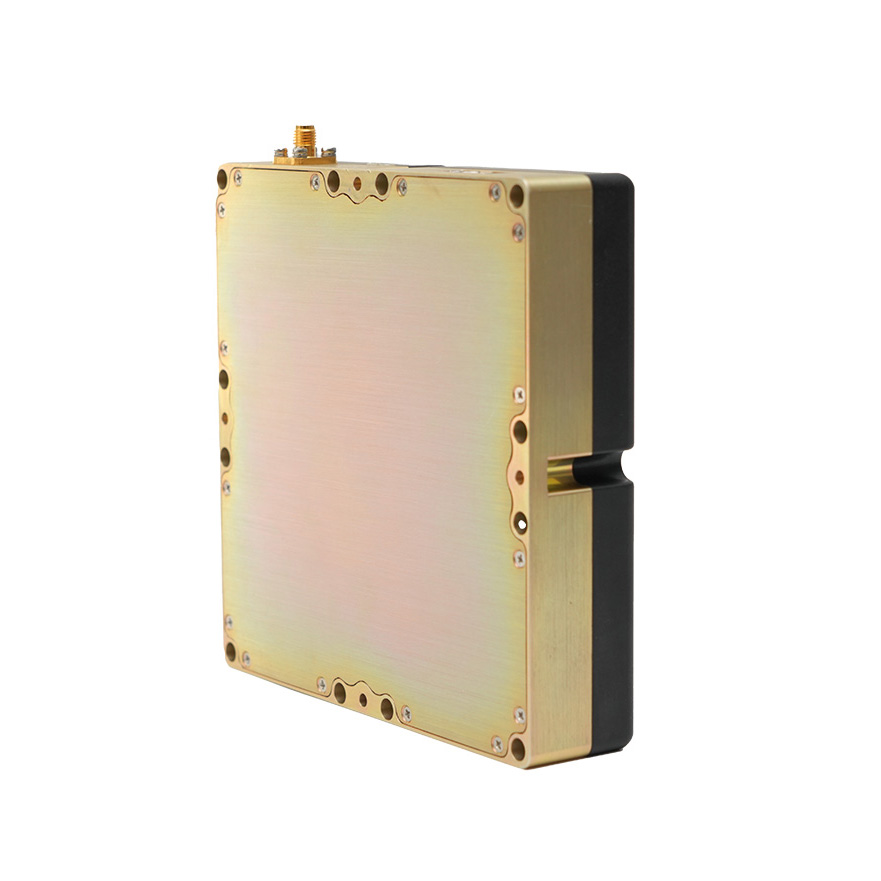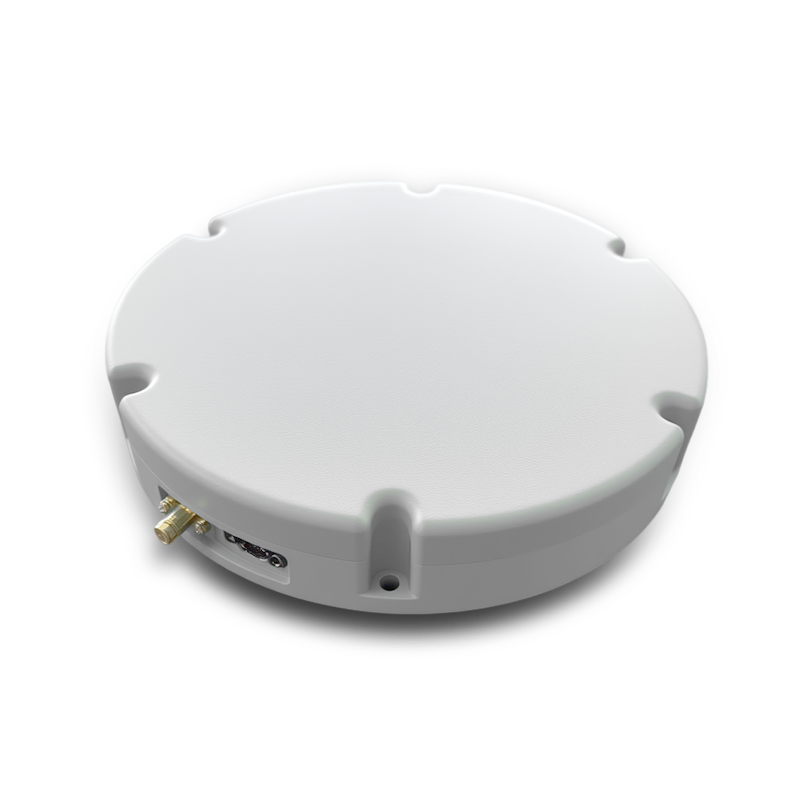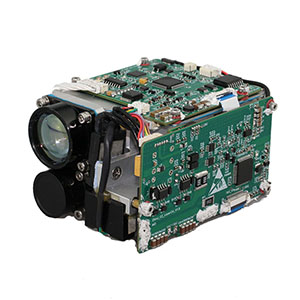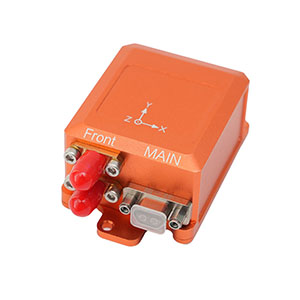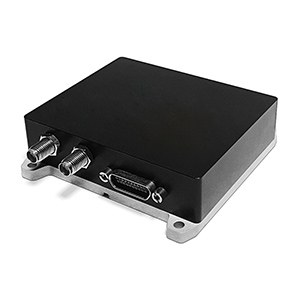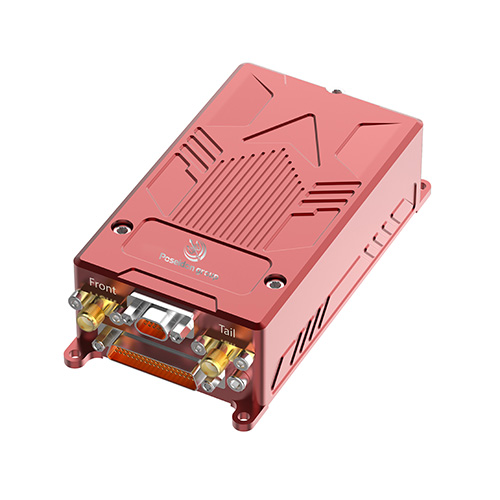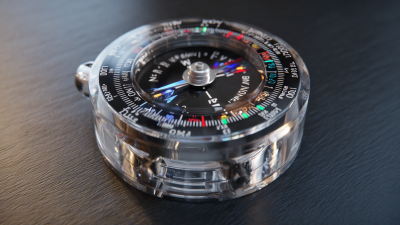
In the fast-changing world of navigation tech, the Magnetometer Gyro Compass really stands out as a key innovation, blending traditional navigation methods with the latest digital solutions. Honestly, understanding how this technology works is pretty important—especially for companies like Poseidon International Group (Hong Kong) Limited, which has been leading the way in R&D since 2013. They focus on stuff like fiber optic gyroscopes (FOG), inertial navigation systems (INS), and high-tech attitude and control systems. Poseidon really captures the spirit of innovation and precision needed for today’s navigation challenges, including autonomous vehicles. By combining the principles behind the Magnetometer Gyro Compass with their cutting-edge designs and multiple patents, they’re not just improving navigational accuracy—they’re setting new standards for the future. It’s definitely worth taking a closer look at the science that powers this game-changing technology.
Magnetometer gyro compass tech is really an exciting step forward in navigation. It's like mixing the best of both worlds—combining the pinpoint accuracy of gyroscopes with the dependable magnetic readings from magnetometers. This combo helps improve how precisely we can find true north, which is pretty crucial for things like ships out at sea or even spacecraft. Industry insiders are saying the global gyro compass market is expected to grow around 6.5% each year—mainly because everyone’s looking for better autonomous navigation and safer systems. And honestly, these magnetometer gyro compasses work well even in tough environments, making them super attractive for many different sectors.
Meanwhile, Poseidon International Group from Hong Kong, which was started back in 2013, is actually pushing this tech forward with some pretty cool research and innovations. They mainly focus on fiber optic gyroscopes and inertial navigation systems, and they’ve got several patents to back up their cutting-edge products. As the industry keeps evolving, merging advanced algorithms with magnetometer gyro compass tech is likely to make these systems even better. Some reports even suggest that by 2025, the market for inertial navigation systems alone might hit over USD 12 billion. That just shows how important solid, reliable navigation solutions are becoming in our increasingly automated world.

Magnetometry is pretty important when it comes to navigation, especially with tools like magnetometer gyro compasses. These devices are key for figuring out which way you're heading. Basically, they work by sensing the Earth's magnetic field to give you an accurate sense of direction. Now, unlike the old-school gyro compasses that just rely on spinning gyroscopes, these newer magnetometer gyro compasses mix both systems. That combo really boosts how precisely you can navigate, especially in places where there’s not much magnetic interference.
The whole idea behind magnetometry is to measure how strong and in which direction the magnetic field is. The magnetometer picks up on Earth's magnetic
You know, gyroscopic effects are pretty key when it comes to how compass systems work nowadays, especially with modern magnetometer gyro compasses. These devices basically use the principles of angular momentum and spinning motion to keep a steady sense of true north. When a gyroscope spins, it tends to resist changes in how it’s oriented — that’s just how angular momentum works. And that resistance is what gives gyroscopic compasses their edge, letting them give really accurate heading info no matter what magnetic disturbances are around. I read in a report by Research and Markets that the global gyroscope market is expected to hit around $4.1 billion by 2025, mainly because more industries are craving super-precise navigation tech these days.
Here at Poseidon International Group (Hong Kong) Limited, which has been around since 2013, we’ve got solid expertise in fiber optic gyroscopes (FOG) and inertial navigation systems (INS). This stuff allows us to really tap into those gyroscopic effects to boost navigation accuracy. Plus, we’re using advanced attitude and control systems in our autonomous driving tech, showing just how crucial gyro stability is for reliable performance. Industry reports also say that systems that rely on fiber optic tech can hit rotation rate accuracies of up to 0.1 degrees per hour — meaning they’re perfect for aviation, maritime, and defense applications. As demand for smarter, more precise navigation solutions keeps climbing, understanding the science behind gyroscopic principles becomes more and more important if we want to keep innovating and pushing the field forward.
You know, with all the recent advances in navigation tech, compass systems have gotten way more accurate and reliable. One cool development is the use of magnetometer gyroscopes — these guys use magnetic fields to figure out orientation, and honestly, they’re way better than the traditional gyro compasses that rely on spinning gyroscopes. I read in a report by the International Marine Organization that magnetometer gyros are about 20% more accurate than the standard ones, especially in places where magnetic interference isn’t an issue.
What really sets magnetometer technology apart is that it doesn’t need those heavy mechanical parts that traditional systems do. That means it costs less to maintain and tends to last longer. According to some recent data from the Marine Navigation and Communication Systems journal, systems with magnetometer compasses can last over a decade — definitely outliving the usual gyro compasses, which often need frequent recalibration and repairs.
**A little tip:** When you’re choosing between different types of compasses, think about where you’ll be using them and how precise you need to be. For really accurate navigation, especially in areas with changing magnetic conditions, magnetometer gyros are probably the way to go. And don’t forget — training your crew on these new systems is super important so they can really get the most out of this fancy new tech.
Magnetometer gyro compasses have really changed the game when it comes to navigation and orientation in tech stuff—like smartphones and wearables. These gadgets basically use the Earth's magnetic field combined with gyroscopic principles to help figure out directions with pretty good precision. Thanks to recent advancements, they're now way more sensitive and accurate, even in tricky environments, which is a big win.
That said, they’re not perfect. Environmental things—like electronics or structures nearby—can mess with the readings and cause some inaccuracies. Plus, you usually have to calibrate them now and then to keep things on point, and honestly, that can be a bit of a hassle. But as tech keeps evolving, especially with breakthroughs in things like dynamic range and smarter algorithms, the possibilities for using these devices in augmented reality and navigation are just growing. Still, it’s good to keep in mind their limitations if you want to get the best performance out of them.
| Dimension | Description | Applications | Limitations |
|---|---|---|---|
| Accuracy | The degree to which the compass reading matches the true direction. | Navigation for vessels and aircraft. | Magnetic interference can reduce accuracy. |
| Response Time | Time taken for the compass to detect and respond to changes in direction. | Real-time tracking in fast-moving vehicles. | Slower response in turbulent conditions. |
| Size and Weight | Physical dimensions and mass of the compass system. | Portable and lightweight applications, such as drones. | Larger systems may be less mobile. |
| Power Consumption | Amount of electrical energy required for operation. | Use in remote areas where power supply is limited. | High consumption impacts long-duration operations. |
Hey, so it looks like magnetometer gyro compass technology is about to go through some pretty exciting upgrades soon. As navigation systems keep getting better, we're seeing more advanced algorithms and sensor tech being added in, which should really boost how accurate and reliable these compasses are. Think about it — improvements in magnetometer sensitivity combined with better gyro stabilization will cut down drift issues, making the orientation data way more precise for all kinds of uses, from sailing across the seas to flying through the skies.
When you're picking out a magnetometer gyro compass for your setup, just keep in mind where you'll be using it. Things like temperature swings and magnetic interference can really mess with the readings. Going for models that have strong temperature compensation and noise reduction features is often a smart move — it can make a big difference in how clean the data actually is.
And, there's more — the push toward smaller, more energy-efficient designs is kicking off a new wave of development. Compact units are not only easier to fit into smaller gadgets but also perfect for drones, robots, and autonomous vehicles. Plus, as data processing gets faster and smarter, retrieving real-time info becomes smoother, and user interfaces are getting way more intuitive, making everything feel more seamless.
If you’re serious about staying on top of things, I’d recommend diving into some training on the latest magnetometer and gyro tech. It’s a great way to catch onto new trends early and really make the most of whatever new systems come your way.
: Magnetometer gyro compass technology is a navigation system that combines the accuracy of gyroscopes with the reliability of magnetometers to determine true north, enhancing navigational precision for applications such as maritime navigation and aerospace systems.
The global gyro compass market is projected to grow by approximately 6.5% annually, driven by the rising demand for autonomous navigation and enhanced safety standards.
Poseidon International Group is instrumental in advancing magnetometer gyro compass technology through innovative research and development, specializing in fiber optic gyroscopes and inertial navigation systems, and holding multiple patents in this area.
Magnetometer gyro compasses operate on the principles of magnetism, measuring the Earth's magnetic field to provide accurate directional orientation and compensate for local magnetic anomalies.
Magnetometer gyro compasses are utilized in various fields, including maritime navigation, aerospace systems, smartphones, and wearables, enabling precise direction-finding tasks and effective course planning.
Limitations include potential inaccuracies caused by magnetic interference from nearby electronic devices or structures, as well as the need for periodic calibration to maintain accuracy.
The integration of advanced algorithms allows for real-time adjustments, ensuring that navigators receive accurate and reliable data, thereby improving the performance of magnetometer gyro compasses in challenging environments.
Reports suggest that the market for inertial navigation systems could exceed USD 12 billion by 2025, highlighting the growing importance of robust navigation solutions in an increasingly automated world.
Understanding the limitations, such as susceptibility to magnetic interference and the need for calibration, is crucial for optimal performance in navigation and orientation tasks.
Advancements in magnetometer technology have improved the sensitivity and accuracy of these devices, allowing them to work effectively in complex environments and expand their potential applications.
So, I came across this article titled "Understanding the Science Behind Magnetometer Gyro Compass Technology," and honestly, it dives pretty deep into how these systems actually work. It goes into the nitty-gritty of magnetometry and gyroscopic effects—stuff that's super important for navigation, but can sound pretty complex at first. What I found interesting is how it compares Magnetometer Gyro Compasses to the traditional gyro compasses—breaking down what each one does and how they perform in different situations. The article also touches on the various ways these advanced tools are used and even points out some of their limitations. Plus, it looks ahead at where this tech might be headed in the future.
Since Poseidon International Group (Hong Kong) Limited is all about cutting-edge navigation tech—think fiber optic gyroscopes and inertial navigation systems—this article really lines up with our mission. Understanding these advancements in Magnetometer Gyro Compass technology is pretty key for us as we stay at the forefront of research and innovation in autonomous driving and navigation. It’s exciting to see how this kind of tech keeps evolving, and it definitely has a big role to play down the line.