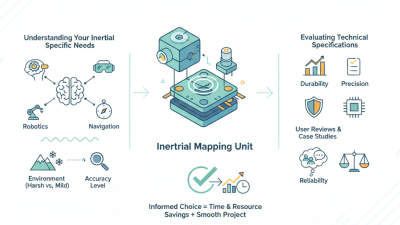
Looking ahead, the future of the Strapdown Inertial System industry is pretty exciting—there are some really promising developments on the horizon, you know? Industry experts are pretty optimistic, talking about big leaps in technology and new ways these systems can be used. I remember Dr. Emily Carter from Inertial Dynamics Corp mentioning that 'Innovation in Strapdown Inertial Systems will totally change the game when it comes to navigation and positioning accuracy.' Honestly, that’s a game-changer for sure.
As the demand for precise positioning keeps climbing, we're also seeing some cool trends in ODM wholesale Strapdown Inertial System tech. Companies seem to be laser-focused on making these systems smaller, faster, and smarter — with better algorithms and tighter integration with other tech. All of this is paving the way for boosts in efficiency and performance, whether it’s in aerospace, auto tech, or other industries.
But, let’s not forget, it’s not all smooth sailing. The market’s getting pretty competitive, really fast. That means companies need to stay on their toes and adapt quickly. Experts also stress that thorough testing and validation are crucial—we gotta make sure these systems are reliable. As we move forward, looking back at what hasn’t worked so well in the past is super important. It’s all about learning and making sure future success isn’t just a shot in the dark.

Overview of ODM Wholesale Strapdown Inertial System Technologies
The ODM wholesale strapdown inertial system technologies are gaining traction. These systems provide accurate motion tracking in a compact form. Manufacturers are focusing on miniaturization and energy efficiency. This helps in various applications like aerospace, automotive, and robotics.
One key aspect is the need for reliable data processing algorithms. Advanced sensor fusion techniques can enhance system performance. However, there are challenges in achieving seamless integration. Calibration remains a critical step that can be easily overlooked. Inconsistent calibration can lead to errors that impact performance significantly.
Moreover, as competition grows, manufacturers must assess their design choices. Striking a balance between cost and quality is not easy. Emerging technologies may disrupt current processes, making adaptability crucial. Continuous learning and refinement are necessary to stay relevant. It's important to question whether current methods meet industry demands effectively.
Key Components of Strapdown Inertial Systems in 2026
In 2026, strapdown inertial systems (SIS) continue to evolve. These systems rely heavily on advanced sensors and algorithms. Key components include accelerometers and gyroscopes. These devices measure changes in motion and orientation effectively. Their reliability remains vital for accurate data.
Data fusion techniques are also a critical element in SIS. They integrate information from various sensors. This enhances overall performance and accuracy. However, challenges persist. Noise and drift can affect sensor readings. Engineers must address these issues through improved calibration methods.
Power consumption is another major consideration. As tech advances, the demand for energy-efficient solutions grows. Future systems need to balance performance with low power requirements. Innovations in materials and design may offer potential solutions. Organizations should continuously evaluate these aspects for optimal performance.
Emerging Trends in Sensor Fusion Techniques for Inertial Systems
The field of sensor fusion techniques for inertial systems is evolving rapidly. These advancements enhance data accuracy and system performance. Emerging methods combine multiple sensor data streams, resulting in improved positional accuracy. This is particularly crucial for Strapdown Inertial Navigation System applications, where precision is vital.
Tips: Leverage algorithms that can seamlessly merge GPS and inertial data. Consider the trade-offs in computational complexity versus accuracy.
As the demand for reliable inertial systems grows, so does the need for innovative sensor fusion methods. Techniques like Kalman filtering are becoming standard. However, integrating new sensors can pose challenges. Addressing sensor alignment and calibration errors is essential. Testing various configurations often reveals unexpected insights into performance limits.
Tips: Regularly evaluate your sensor setup. Understanding limitations can lead to better fusion strategies. Aim for continuous improvement in data integration workflows.
Advancements in Data Processing Algorithms for Inertial Measurements
The landscape of Strapdown Inertial System technologies is rapidly transforming, primarily due to advancements in
data processing algorithms. These improvements have increased the accuracy and reliability of inertial measurements.
Engineers can now better interpret data thanks to enhanced algorithms, reducing noise and improving signal clarity. Such progress is crucial for industries like aerospace, automotive, and robotics.
Incorporating modern data processing techniques, developers can significantly enhance the performance of
Strapdown Systems.
Machine learning and artificial intelligence play integral roles in refining algorithms. This evolution allows for real-time processing of vast data sets, making operations more efficient. The potential to adapt quickly to changing conditions is a remarkable benefit of these advancements.
Tip: Focus on understanding how algorithms influence measurements. This knowledge is key for effective implementation.
Engaging with the community can provide valuable insights into emerging trends. Attending workshops or webinars on data processing can sharpen your skills.
Sharing experiences with peers fosters learning, encouraging reflection on what works and what doesn’t.
Embracing this mindset can lead to continuous improvement in Strapdown System applications.
Market Demand and Applications of Strapdown Inertial Systems
Strapdown inertial systems play a crucial role in various industries. Their demand is rising due to advancements in technology and increased needs for precise navigation. These systems are often used in aerospace, automotive, and defense applications, where accuracy is paramount. Users benefit from their ability to provide continuous motion data, even in challenging environments.
Tips: Regularly assess the accuracy of your inertial systems. Calibration is vital for optimal performance. Consider environmental factors that may affect readings.
The automotive industry particularly embraces strapdown inertial systems. They enhance vehicle navigation and stability control. Autonomous vehicles rely on reliable data from these systems for safe operation. However, relying solely on inertial data can lead to errors, especially in complex scenarios.
Tips: Understand the limitations of your system. Regular maintenance can help reduce potential inaccuracies. Experiment with different configurations to find the best fit for specific applications.
Challenges and Opportunities in ODM Wholesale Manufacturing
The ODM wholesale manufacturing landscape is evolving. For Strapdown Inertial Navigation systems, challenges persist. The market is expected to reach USD 1.3 billion by 2026, according to a recent market research report. However, meeting the demand for highly accurate, reliable systems adds pressure to manufacturers.
Supply chain management poses significant hurdles. Fluctuations in component availability can disrupt production. Manufacturers must adapt quickly to changing conditions. A focus on optimizing logistics will mitigate some risks. Automation and advanced data analytics are key to enhancing operational efficiency.
Tips: Invest in technology to improve production processes. Educate teams on the latest industry standards to ensure compliance. Establish strong relationships with suppliers for better coordination.
Sustainability is another area necessitating attention. The industry faces pressure to adopt eco-friendly practices. Balancing cost-effectiveness with environmental responsibility is a fine line to walk. Challenges in sourcing sustainable materials can lead to increased costs. Reflecting on these complexities is essential for future growth.
2026 Trends in ODM Wholesale Strapdown Inertial System Technologies
Future Outlook: Innovations Shaping the Inertial Systems Industry
The field of inertial systems is evolving rapidly. Innovations are driving changes in
Strapdown Ins technology.
Advanced algorithms are improving accuracy and reliability. They adapt to various conditions, enhancing performance across applications.
Tips:
Focus on solutions that streamline operations.
Consider user-friendly interfaces. Simplified systems often improve usability and reduce training time.
Data fusion techniques are changing how Strapdown Ins operate. By combining inputs from multiple sensors, these systems deliver better insights.
This integration supports real-time decision-making. As industries embrace automation, the demand for precise inertial systems will grow.
However, challenges remain. Technical complexities can hinder implementation efforts.
Tips:
Stay updated on industry advancements.
Networking with experts can provide valuable insights.
Engage in continuous learning to navigate evolving technologies successfully.
FAQS
: Sensor fusion techniques combine multiple sensor data streams to improve accuracy and system performance.
Precision is vital in inertial systems to ensure accurate positional data, especially in navigation applications.
Algorithms like Kalman filtering can effectively merge GPS and inertial data for enhanced accuracy.
Integrating new sensors can lead to alignment and calibration errors that must be addressed carefully.
Investing in technology and optimizing logistics can enhance operational efficiency in manufacturing.
Manufacturers must balance cost-effectiveness with eco-friendly practices while sourcing sustainable materials.
The market for inertial systems is projected to grow significantly, reaching USD 1.3 billion by 2026.
Data fusion from multiple sensors provides better insights, facilitating quicker and more informed decisions.
Regular evaluation helps identify limitations and improve fusion strategies for better performance over time.
Simplified systems often enhance usability and reduce training time, making them more accessible for users.
Conclusion
The article delves into the evolving landscape of ODM Wholesale Strapdown Inertial System Technologies, highlighting the fundamental components essential for these systems in 2026. It explores emerging trends in sensor fusion techniques that enhance the precision and reliability of inertial measurements, along with advancements in data processing algorithms that streamline performance and efficiency.
Moreover, the article examines the growing market demand and diverse applications of strapdown inertial systems across various industries. It identifies both challenges and opportunities within ODM wholesale manufacturing, emphasizing the need for innovation to address these hurdles. The future outlook indicates that continuous technological innovations will play a critical role in shaping the strapdown inertial systems industry, making it a vital area for ongoing research and development.

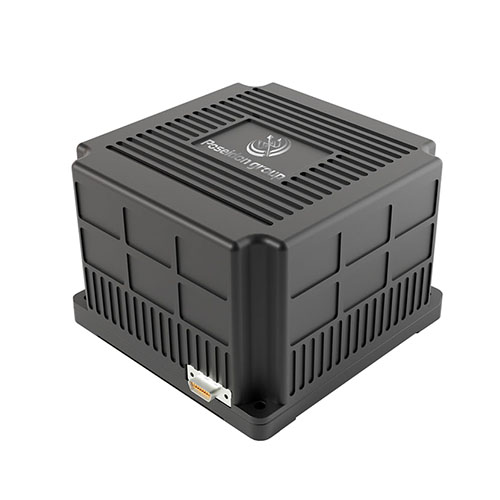 TBSD60
 BSD120
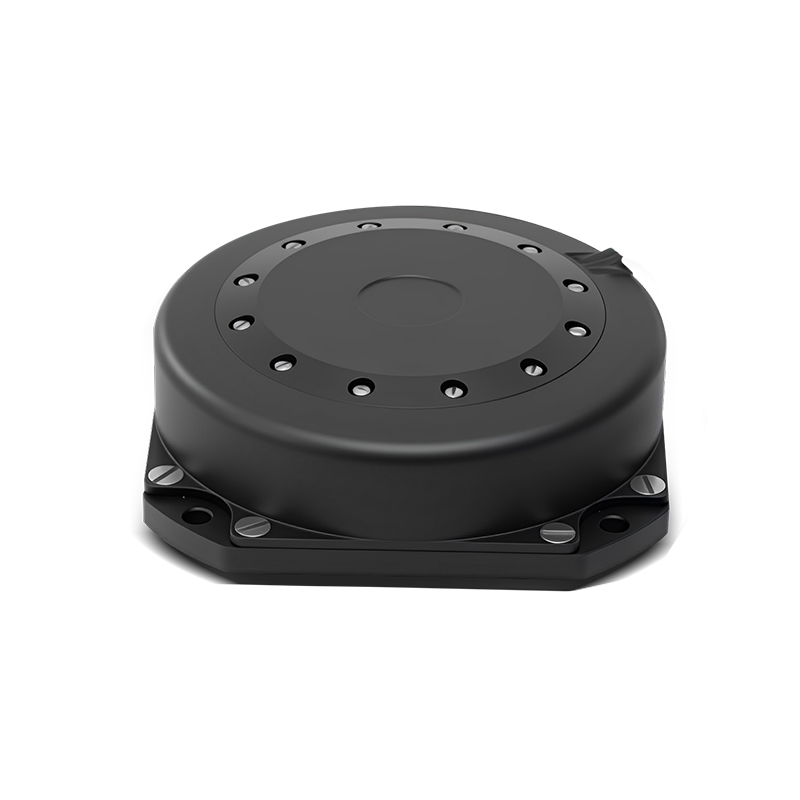 BSD98
BSD98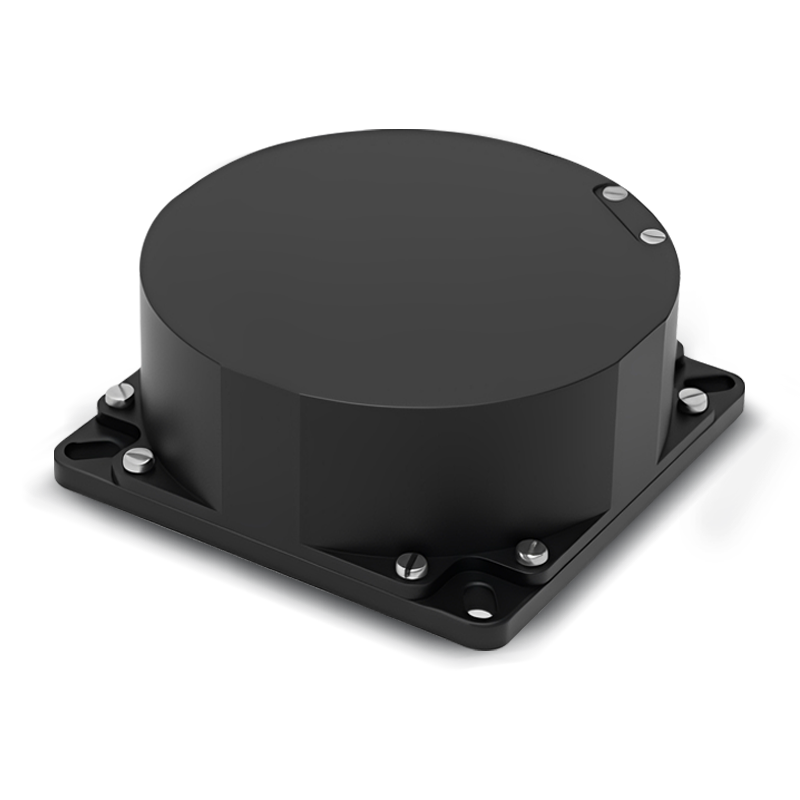 BSD70
BSD70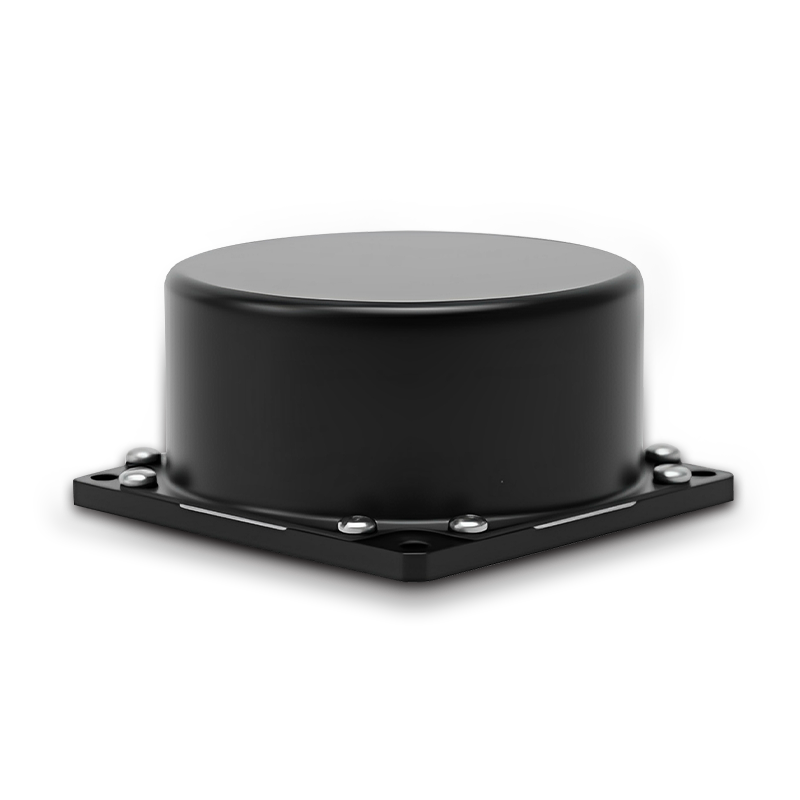 BSD60
BSD60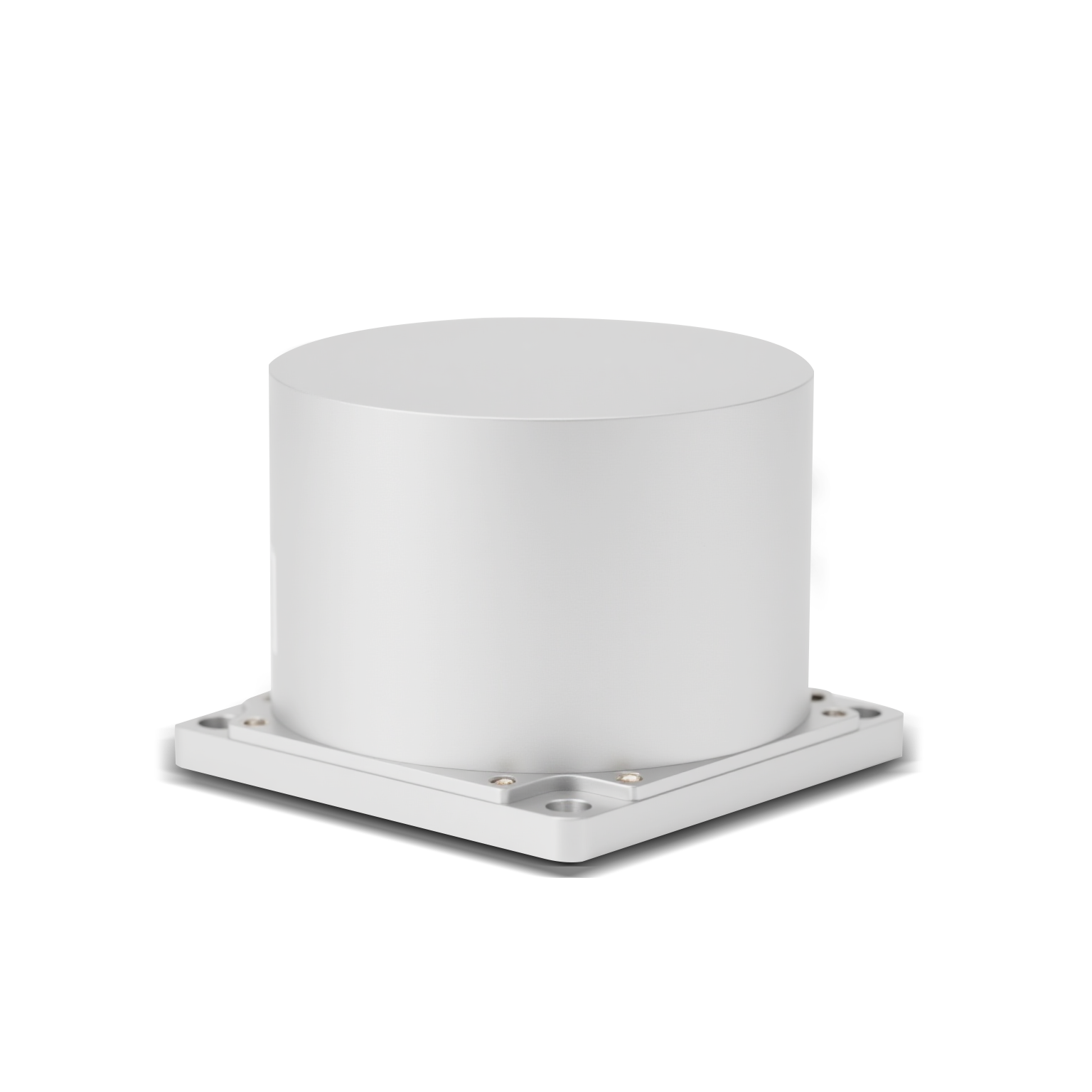 BSD50
BSD50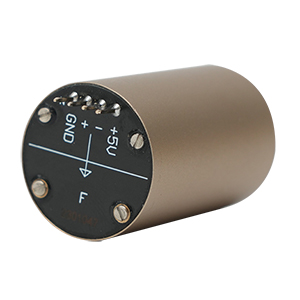 BSD217
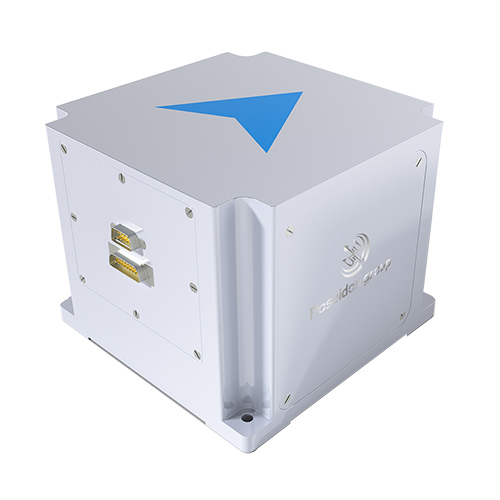 INS1700
 INS970
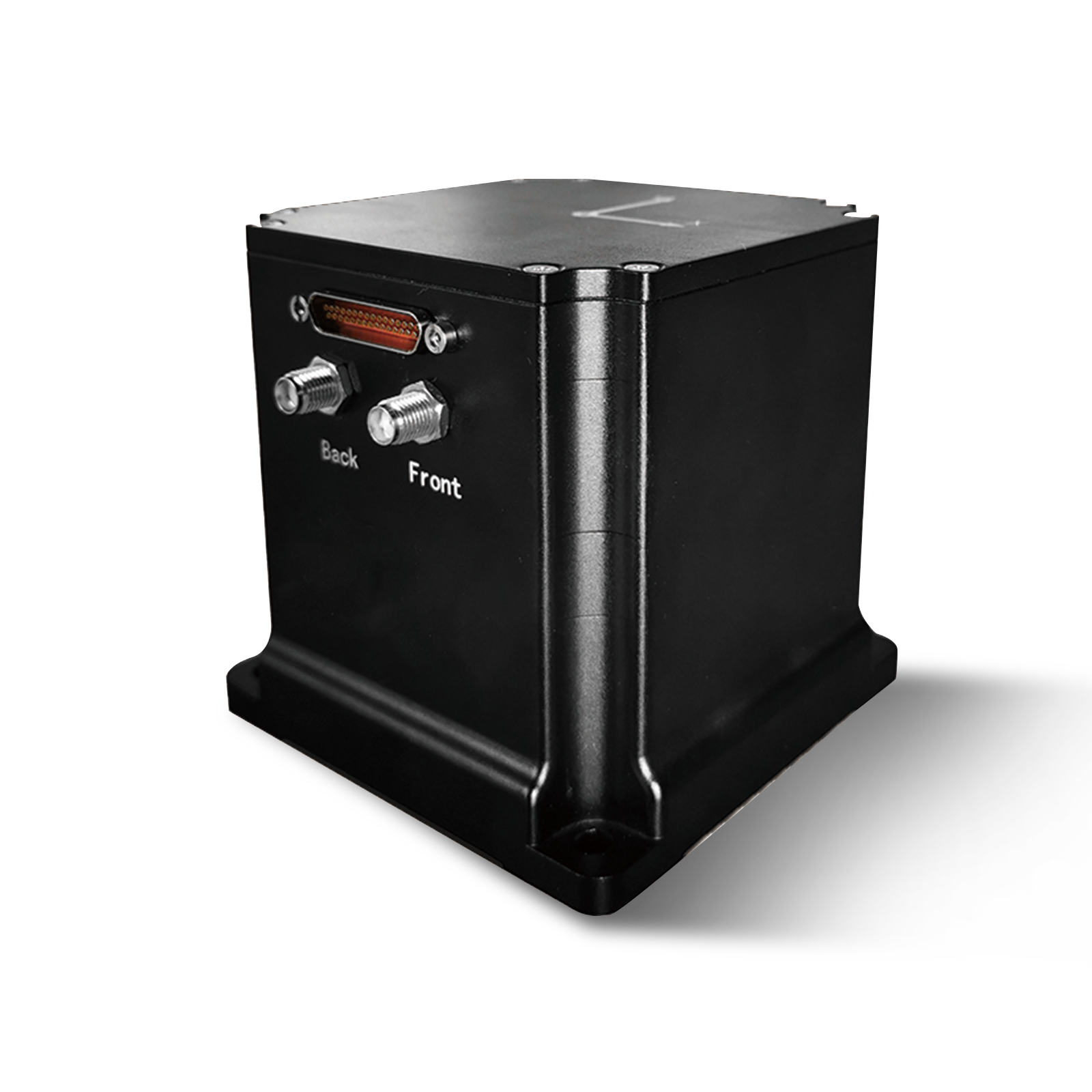 INS570
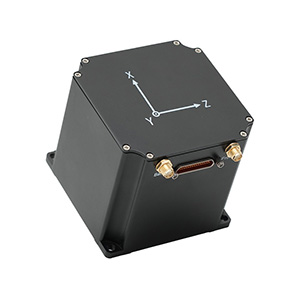 INS170
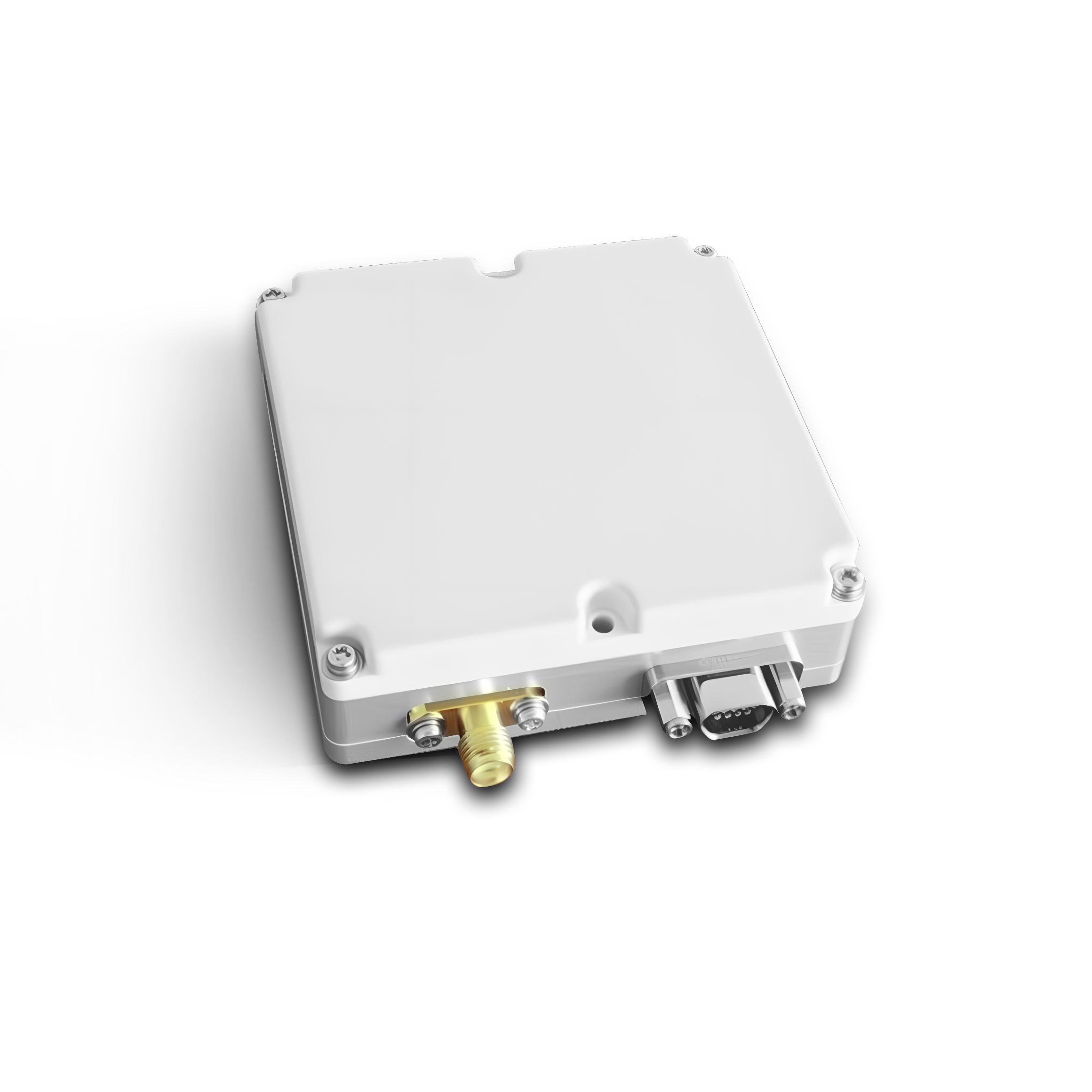 SLA-4B1L1-65
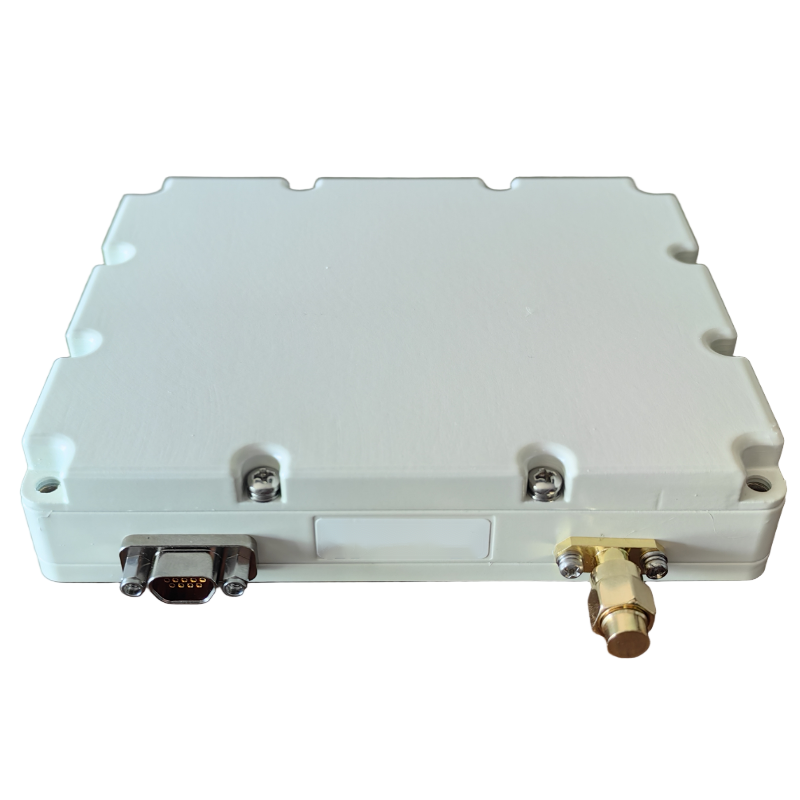 SLA-8B1L1-110
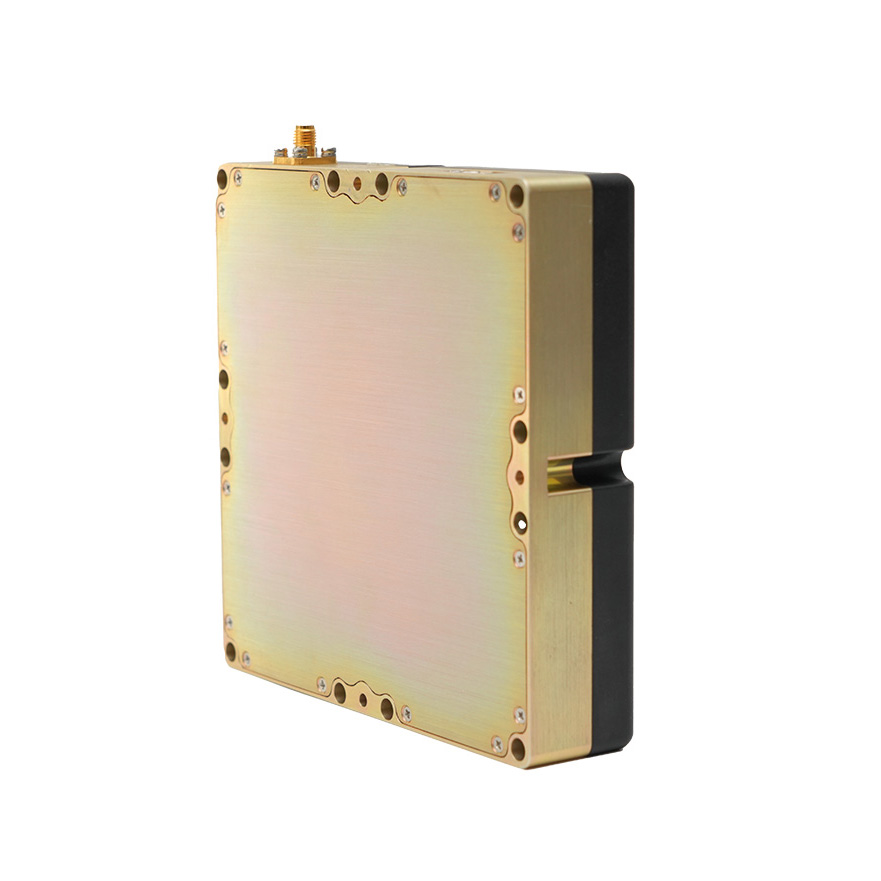 SLA-4B1L1-130
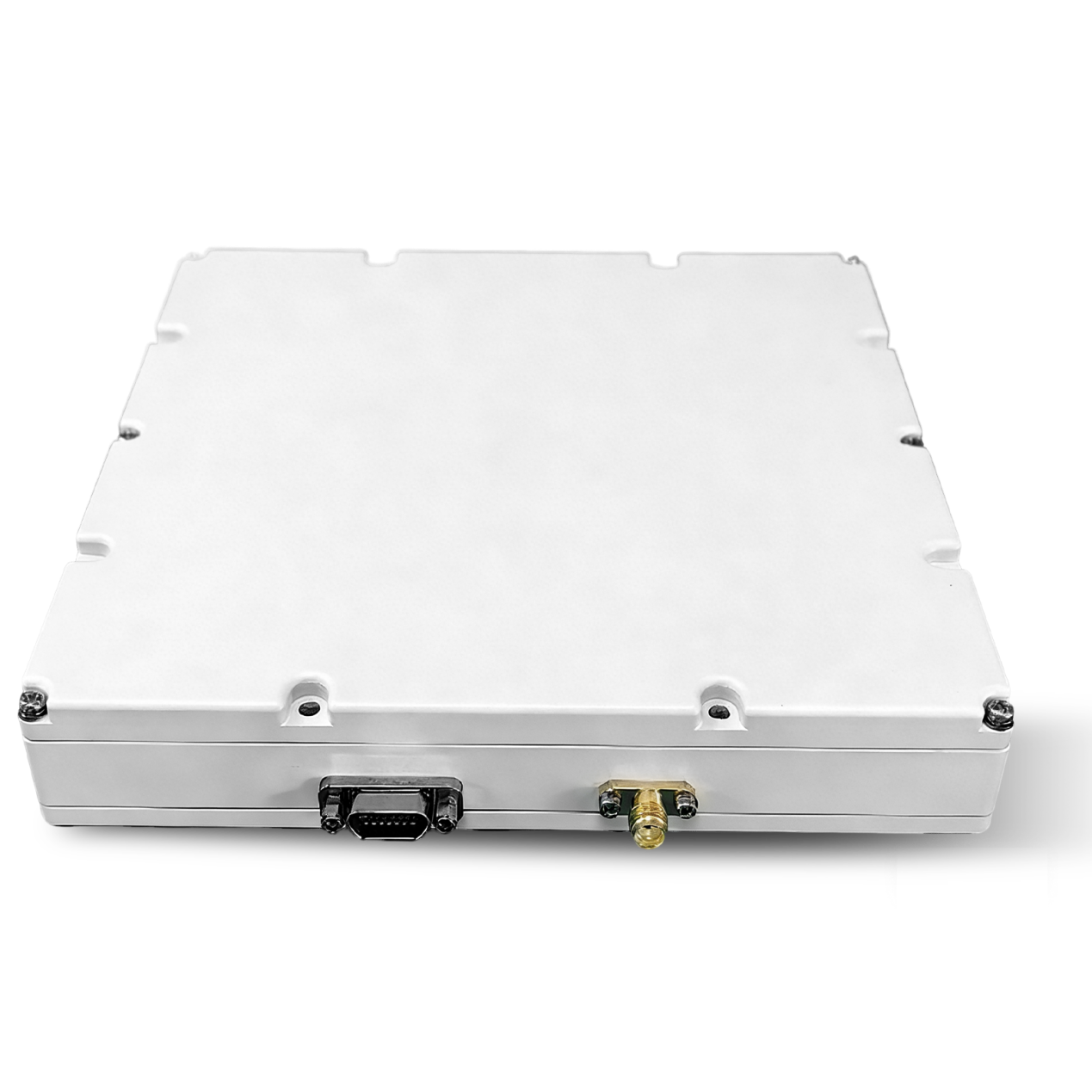 SLA-16B1L1-160
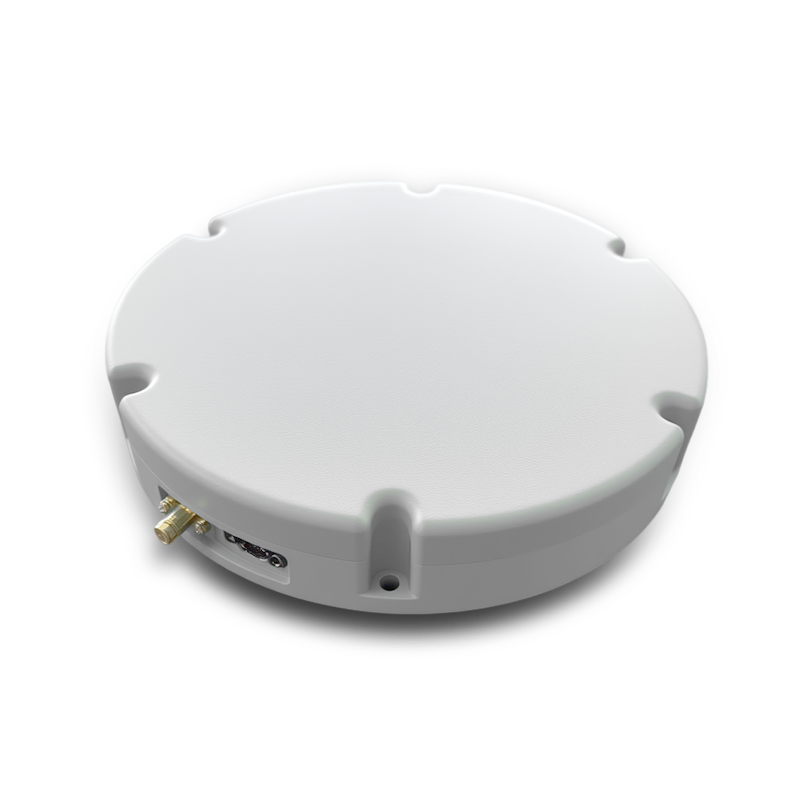 SLA-8B1L1-165
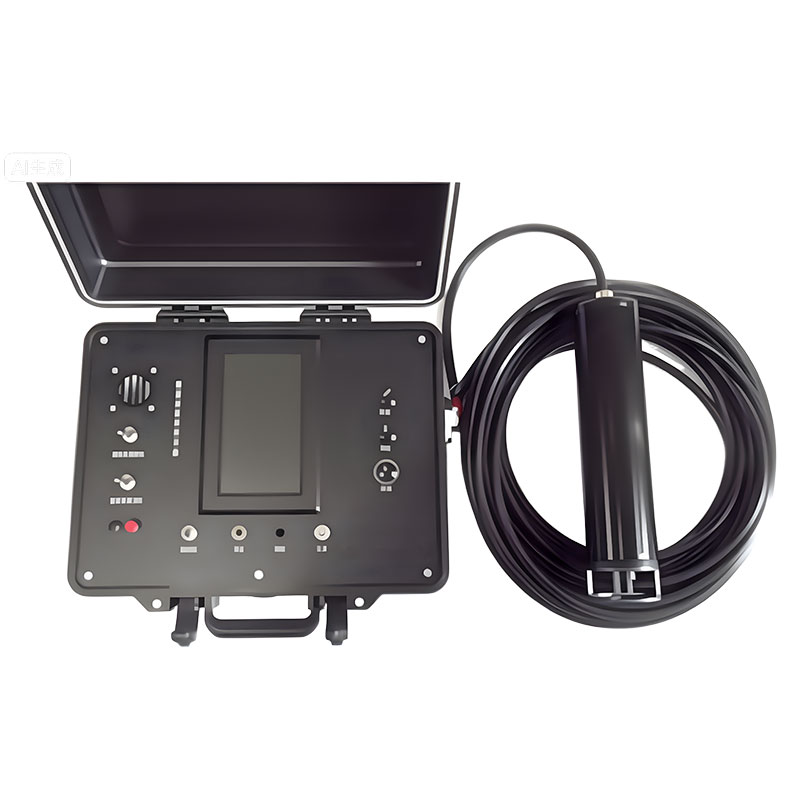 101 Vessel-mounted Positioning
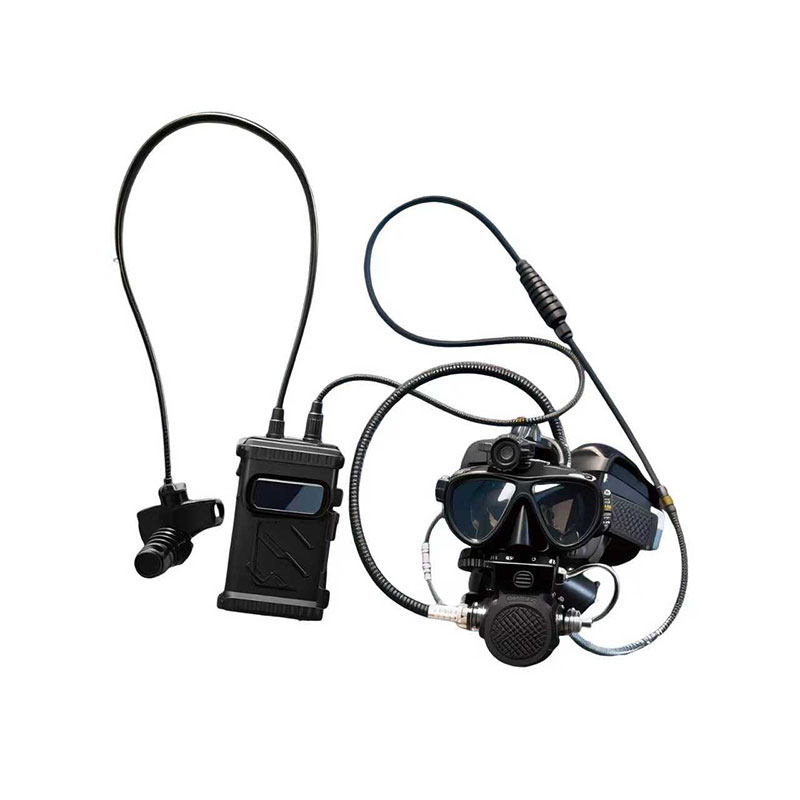 102 Acoustic Communication
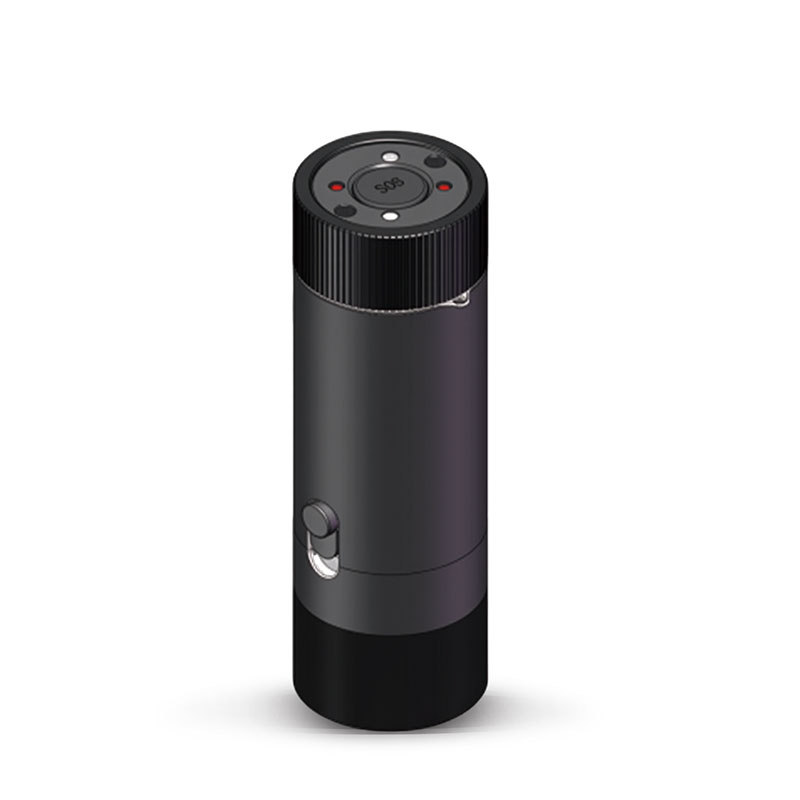 103 Tracking and Locating
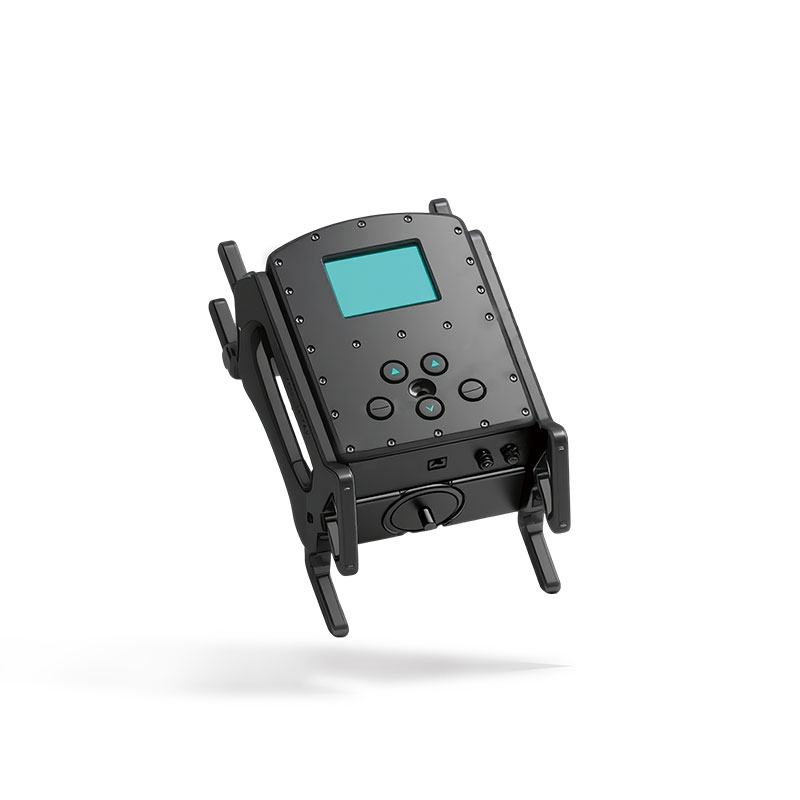 104 Diver Navigation System
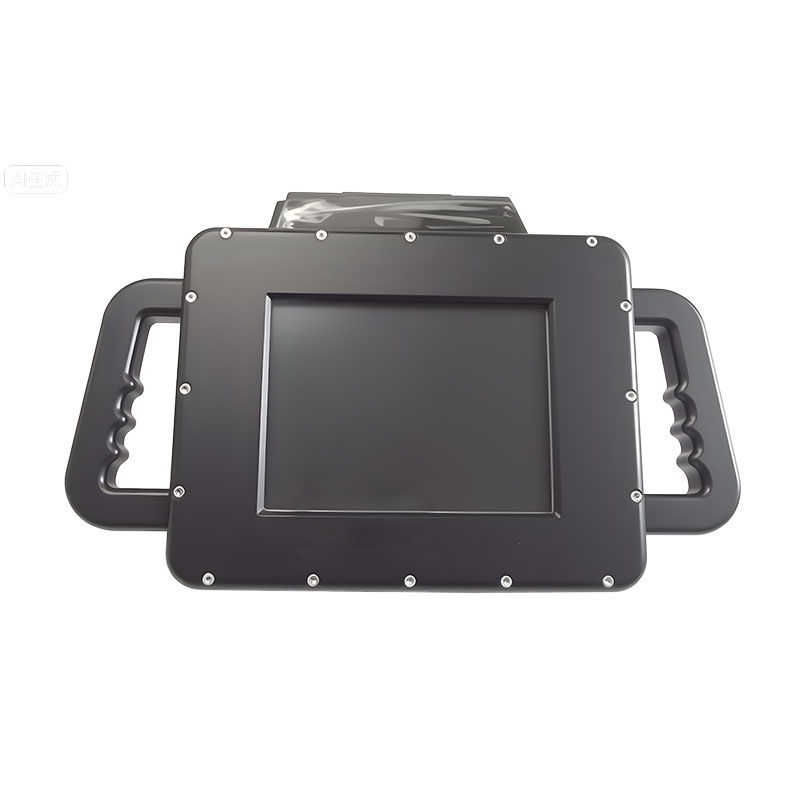 105 Intrusion Detection Sonar
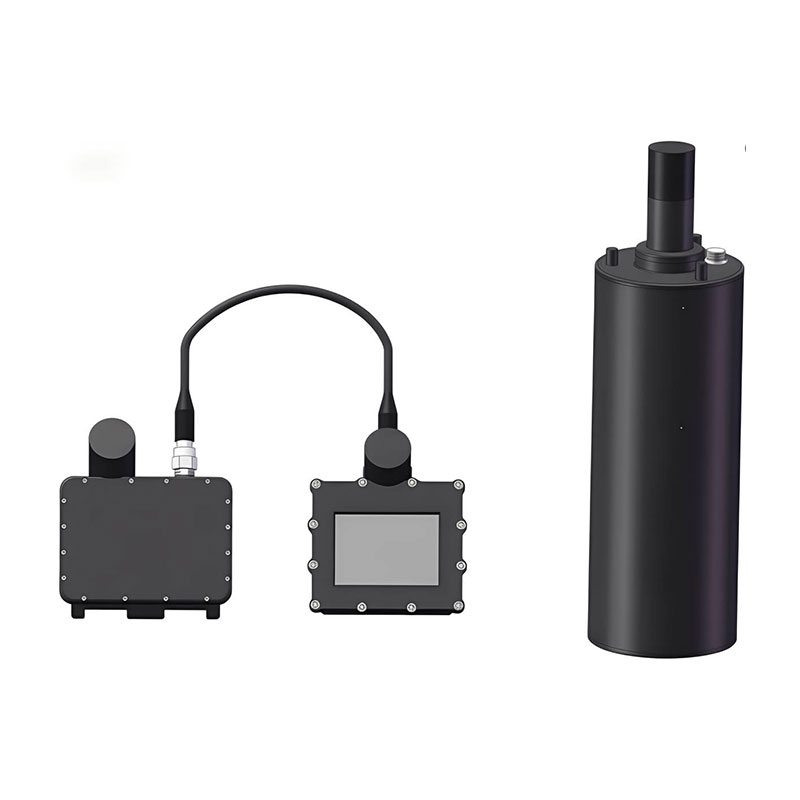 106 Delivery Locator Beacon
 SLLR3000
 SLLR905
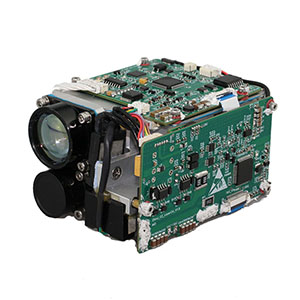 SLLD25
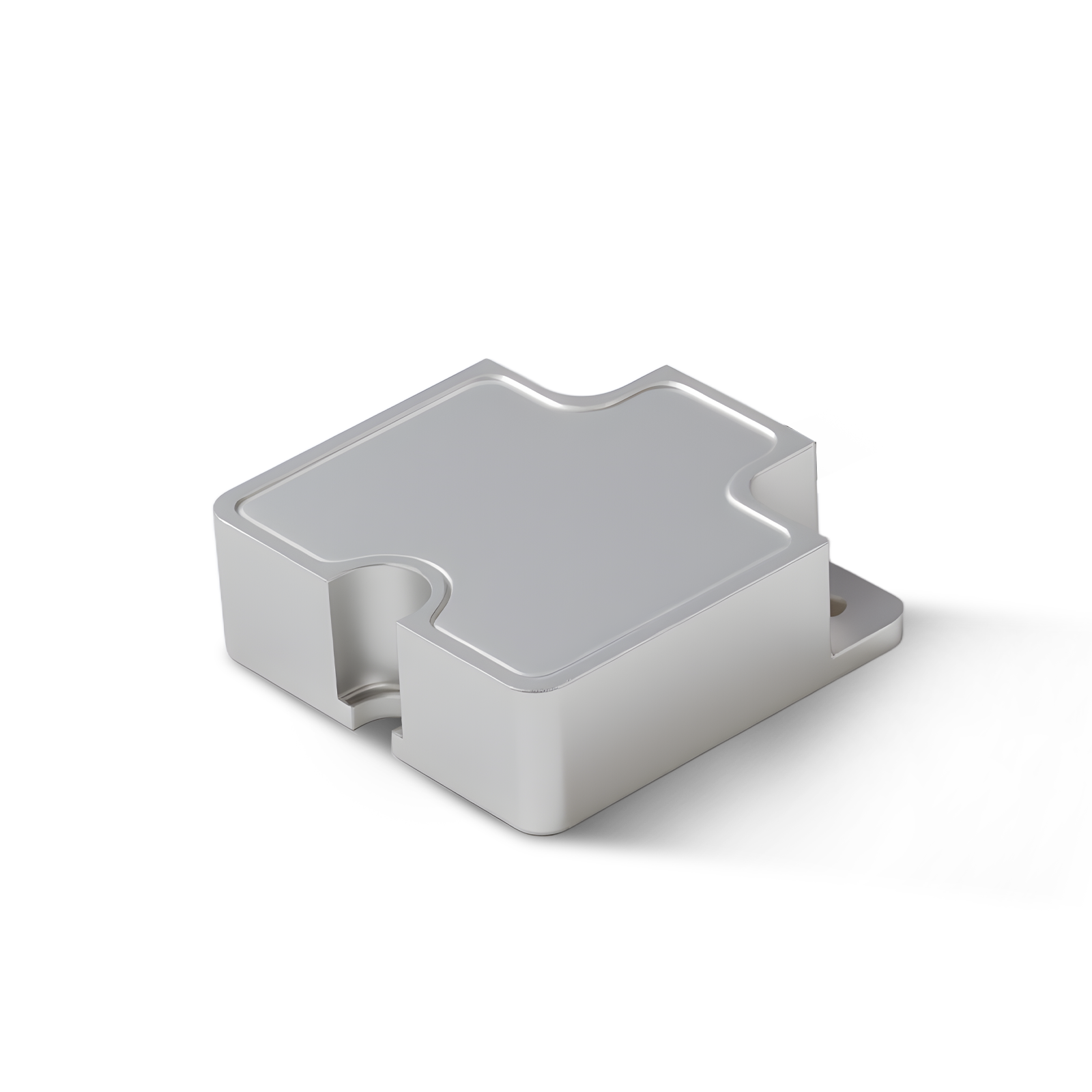 108IMU
 150M
150M 500MH
500MH 160M
160M 170M
170M SLFC-70
 SLAF280
 MR360
MR360